
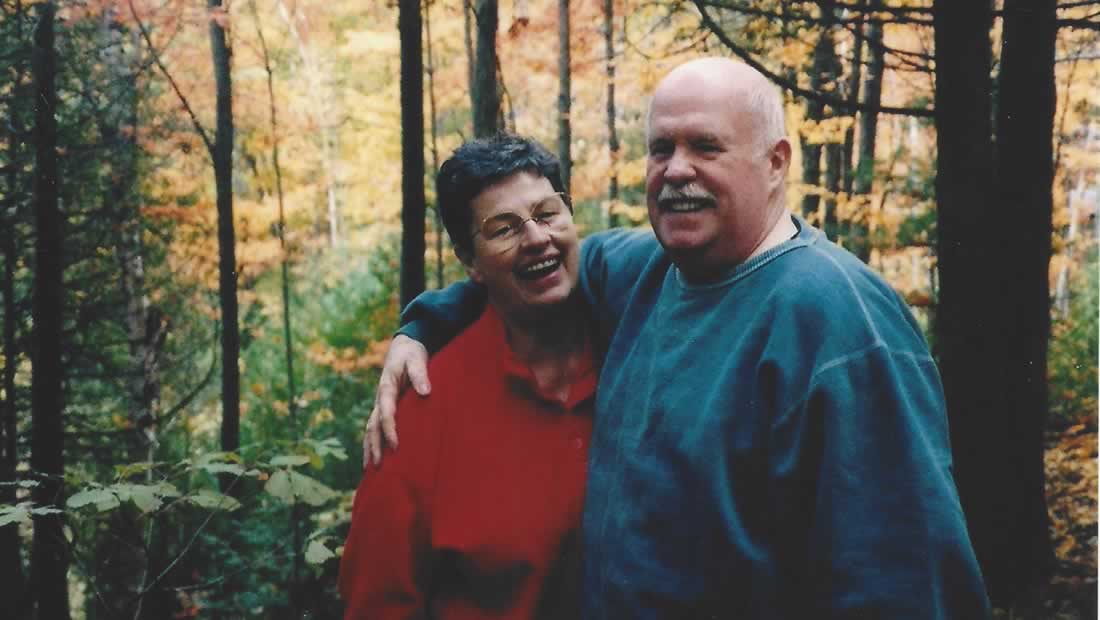
It is that time of year again, when those living in the U.S. celebrate Thanksgiving and reflect on what they’re most thankful for. I’m one of the lucky ones who get to celebrate two Thanksgivings; one for Canada where I was born and raised (we celebrate in October), and one for the U.S. where I now live with my husband (yaay, two turkey dinners!).
Turkeys and stuffing aside, all of us – whether we live in the U.S. or not – may find it challenging to be thankful in this year of COVID.
Whether we missed celebrating a wedding or graduation, a dream trip we had planned for years, lost our job, or worse of all, lost a loved one, ALL OF US have been affected by the pandemic. And with so many things taken away from us, being thankful may be the furthest thing from on our minds.
But the truth is that when we go through trying times of loss, we learn to appreciate the things we have. On the other side of challenge, we find gratitude.
Take my Mom for example.
When she was diagnosed with Parkinson’s in her late forties, she wasn’t thankful. However, even while facing an uncertain future, there was some relief and gratitude in knowing she’d be dealing with a disease her doctors knew how to manage, and due to her age and type of PD she was diagnosed with (tremor was her main complaint), the progression would most likely be slower, enabling her to live a long life with the disease.
In the early years, when Mom experienced painful bouts of dystonia that twisted her foot so far inward that she couldn’t walk, she wasn’t thankful. But given a removable foot cast from a physiotherapist, she was grateful to walk again.
When she’d experience bouts of freezing, her legs suddenly sticking to the ground, leaving her stranded in the middle of a shopping mall, Mom wasn’t thankful. But even though she couldn’t always prevent the freezing, she was thankful when we discovered how playing upbeat music would almost always help her get moving again.
When Mom’s dyskinesia made it impossible for her to keep her hand still enough to get food to her mouth, or the constant motion of her arms and legs completely exhausted her, she wasn’t thankful. Fortunately, she had developed a good relationship with her neurologist, and they worked together to manage her medications and reduce the troublesome side effects.
In the late stages of PD when Mom developed dementia, we weren’t thankful. There was anger, heartache, and so much loss. Mom lived for eight years with dementia and during that time, it was difficult to say the least, to find something to be thankful for. I admit I had to reach pretty deep into my faith jar to find anything.
Over time, I learned to take things day by day, and live in the moment with Mom. Believe it or not, some of my greatest moments of joy with her came while she was living her last eight years in nursing homes.
Because I couldn’t change her dementia, I learned to change how I looked at it. For example, because of her memory loss, Mom didn’t experience long-term sadness over her husband’s passing.
Because of dementia, Mom forgot all about how she had to sell her beloved home on the lake to pay for her care. She didn’t have to grieve that loss, nor any of the serious losses she had experienced previously in her life. Those were all erased.
My mom had a firm faith in God before she developed dementia and I believe her spirit was alive and strong until she passed. Even when she could not communicate with words, she would still put her arms out for a hug, or squeeze your hand tightly from her wheelchair.
When we played her favorite music, her eyes would light up. When we fed her her favorite sardine sandwiches, she gobbled them down with delight. Even with all the sadness and losses that came with dementia, I am thankful Mom could still enjoy those little things.
When I look back on Mom’s 30 years with Parkinson’s, I see a strong, determined, and resilient woman who, despite facing constant challenges, never gave up and was able to find a way to be thankful for the things she still had.
I know it’s hard to embrace gratitude in tough times, I do. If you’ve got Parkinson’s, or care for someone who does, these days may be especially difficult.
Remember: This too shall pass.
If you’re having a hard time finding something to be thankful for, start small. If you’re reading this, that means you’re still alive, and I, for one, am thankful for that.
—Lianna